

Beneath the Surface: Uncovering Risks in Your Texas Land Development
1/26/20262 min read
The Importance of Soil Testing Before Breaking Ground
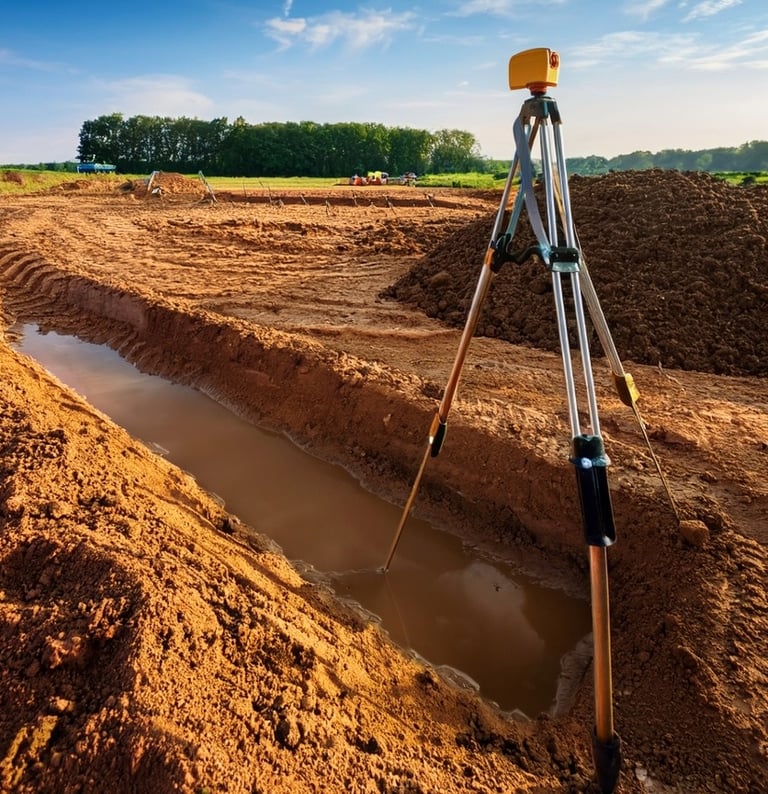
In Texas real estate, your profit is often buried three feet underground. Whether you are developing a single-family home neighborhood in Waco, a commercial strip in Houston or flipping a luxury home in Austin, the soil beneath your feet is the ultimate silent partner—and it can be a hostile one.
At Longhorn Funding, we look at deals through the lens of risk. One of the highest-impact variables in any horizontal development or other major real estate project is Geotechnical Stability. Skipping a soil test isn't just a shortcut; it's a gamble with your entire equity position.
Why the Dirt Matters (The Hard Facts): Texas is notorious for "expansive clay" (specifically vertisols). These soils act like a sponge; they swell when wet and shrink when dry. This movement can exert thousands of pounds of pressure per square foot on a foundation. Without a soil report, your foundation design is essentially a guess.
The Actionable Benefits of a Geotechnical Report:
🏗️ Optimized Foundation Design: An engineer can’t tell you if you need piers, a post-tension slab, or soil stabilization without data. Over-engineering costs you money; under-engineering costs you the building.
📉 Accurate Budgeting: Finding out you need 30-foot deep piers after you’ve closed your loan is a recipe for a capital call. A soil test ($2k–$5k) can prevent a $50k+ change order.
💧 Drainage Strategy: Soil tests reveal the "percolation rate." If the ground won't absorb water, you'll face major site drainage issues that the city won't approve.
🛡️ Lender Confidence: From a lender’s perspective, a clean Geotechnical Report reduces the risk of structural failure—meaning we can move faster on your funding.
What You Should Do Today:
Hire a Geotechnical Engineer: Before finishing your architectural plans, get 2-3 borings on the site.
Request a "PI" (Plasticity Index) Rating: In Texas, if your PI is over 30, you have highly expansive soil and need a specialized foundation.
Review "Bearing Capacity": Ensure the soil can actually support the PSI (pounds per square inch) of your intended structure.
The Bottom Line: Don’t let a "cheap" lot turn into an expensive nightmare. Test the dirt before you sign the check. Longhorn Funding provides fast and flexible bridge loans to get you from one point to the next in your Texas land development project. Call us today at 512-955-7559 or shoot us an email at [email protected].
Connect With Us on Socials!
© 2026 Longhorn Funding
We Can Reach Out to You!
Check out our Real Estate Blog!